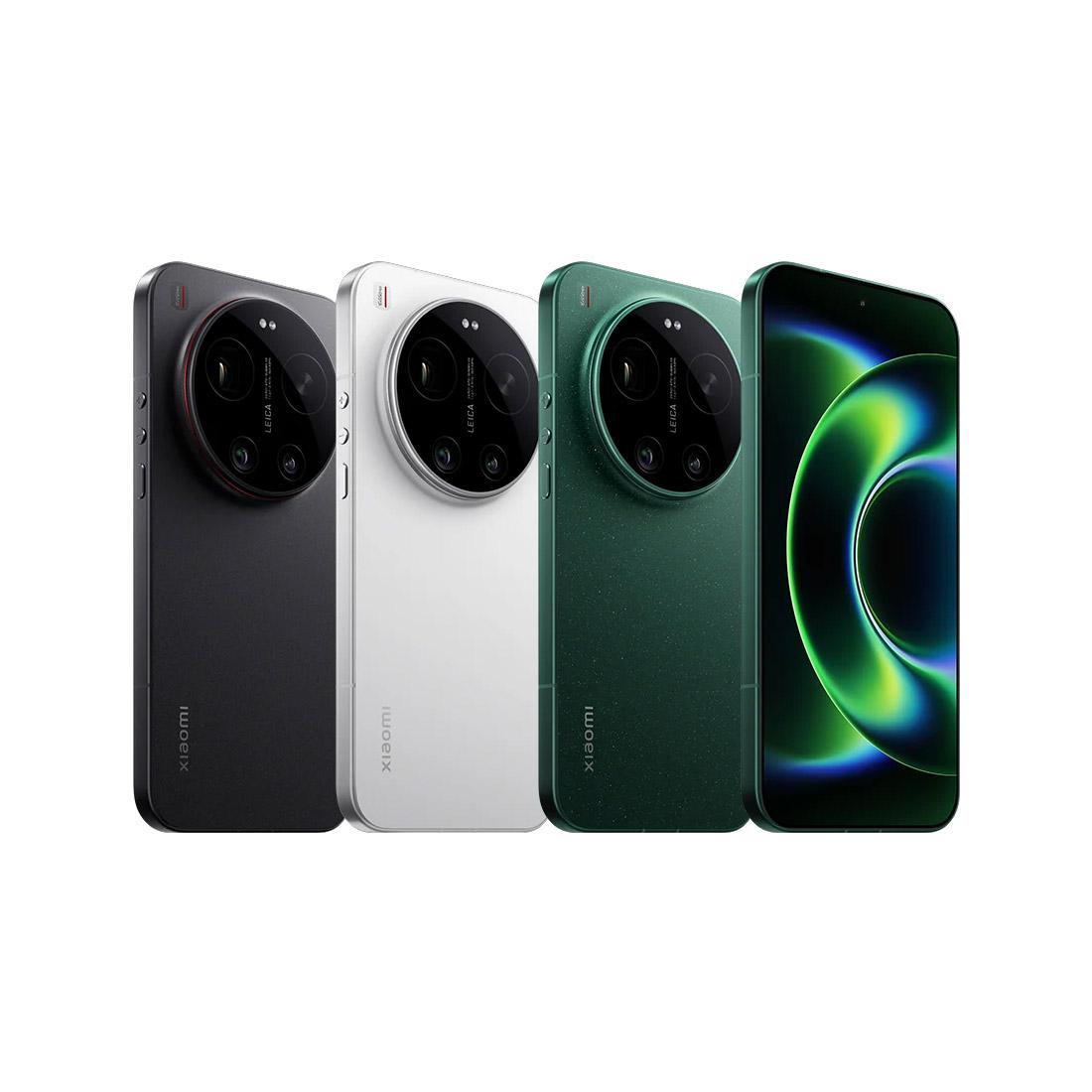
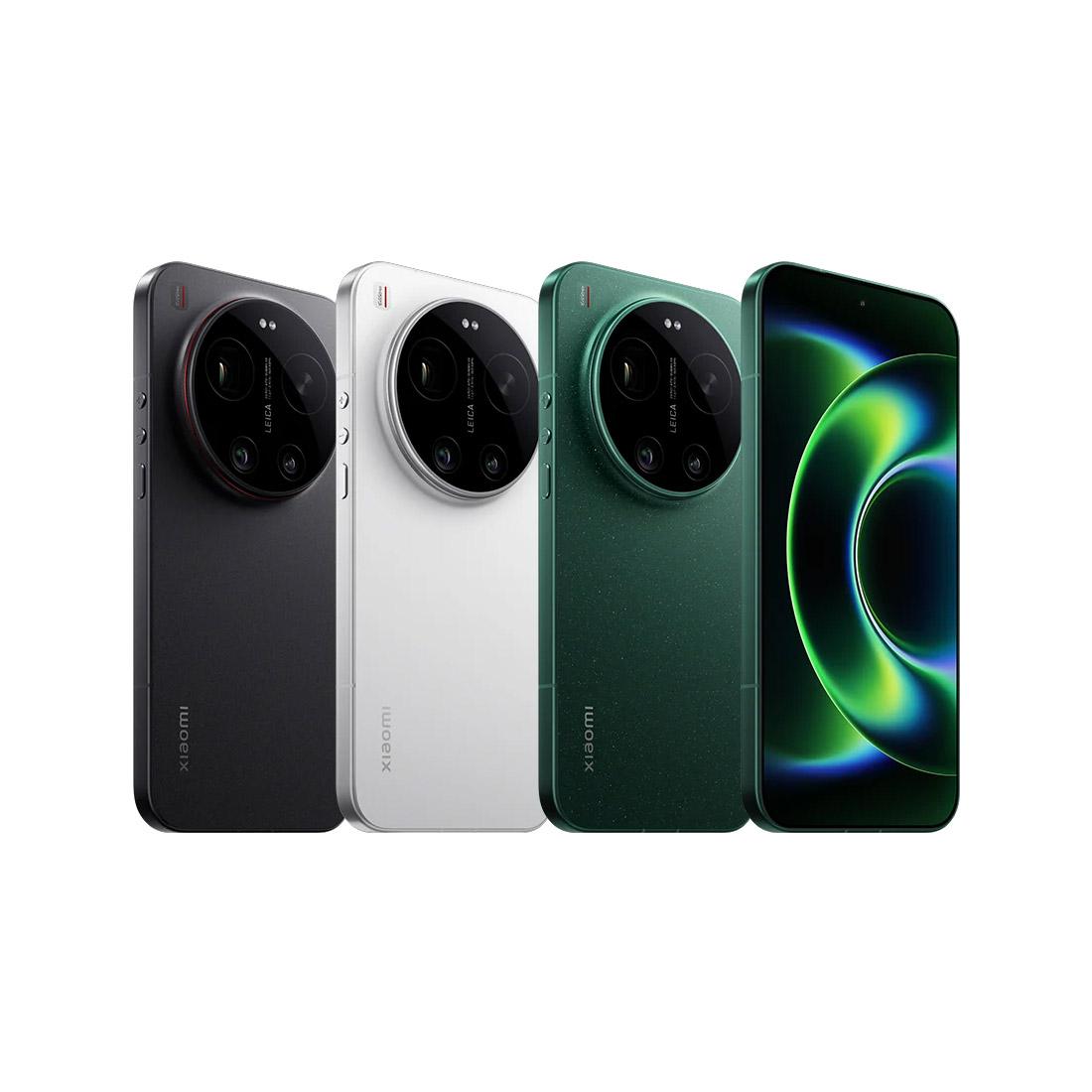
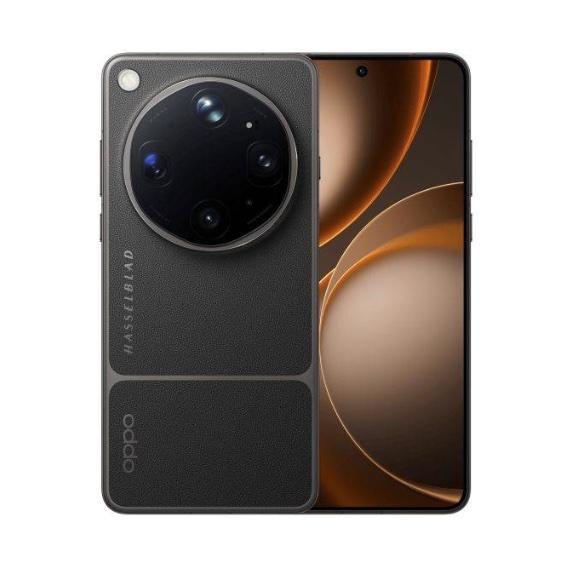
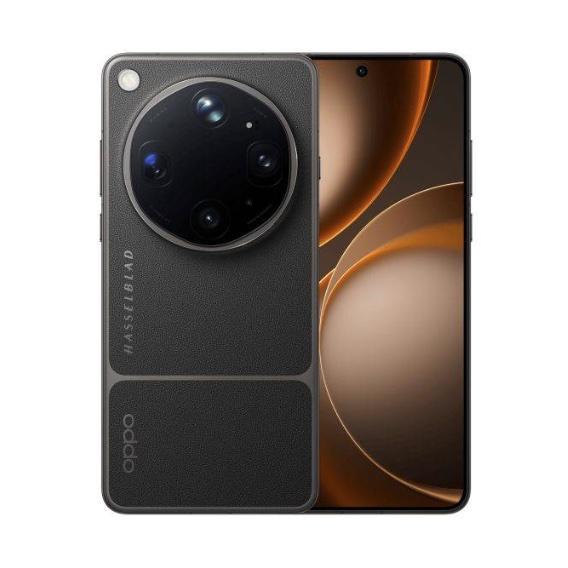
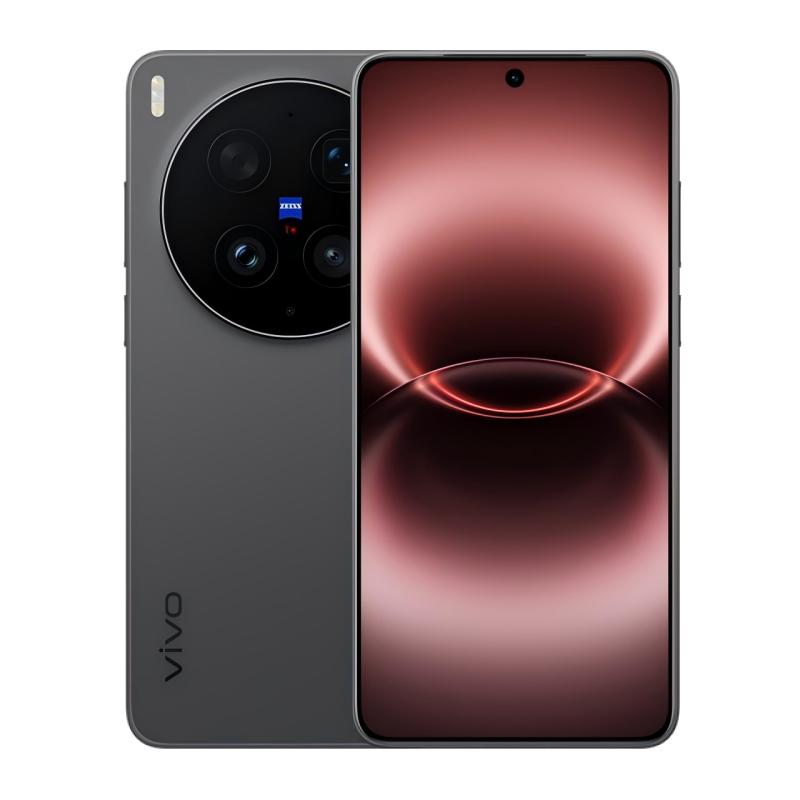
Xiaomi 17 Ultra vs OPPO Find X9 Ultra vs vivo X300 Ultra is a comparison of three of the best Chinese camera phones you can buy in a global version today. Xiaomi bets on the biggest main sensor with a 1-inch size and a single periscope with smooth zoom from 75 to 100 mm, while OPPO and vivo have the same 200 Mpx sensor Sony LYTIA 901 (1/1,12″), around which they built completely different setups: OPPO uses two periscopes with 3× and 10× zoom, vivo has one 85 mm telephoto lens with gimbal-like stabilization and a noticeably larger ultra-wide sensor.
We’ve already compared OPPO and vivo in our photo test, so here we go by specs: sensors and lenses, the body, display, performance, battery life and price. All three are available in global versions with Slovak language, eSIM and Google services that the seller will send you without customs duty, and you can also find Xiaomi in Slovak shops.
Ultrasonic reader / Quick Button for the camera / Snap Key
Ultrasonic reader / no trigger button
System & Updates
HyperOS 3 / Android 16 / 5 OS versions / 6 years of patches
ColorOS 16 / Android 16 / 5 OS versions / 6 years of patches
OriginOS 6 / Android 16 / 5 OS versions / 7 years of patches
Launch price in the EU
1 499 € (16 + 512 GB)
1 699 € (12 + 512 GB)
1 999 € (16 GB + 1 TB)
Price in our box
1 066 €
1 257 €
1 402 €
We verified the specs on GSMArena (Xiaomi, OPPO) and on the official pages of OPPO and vivo. Thickness and weight vary by color, because OPPO and vivo have a back made of fiberglass for some colors, and leather or glass for others.
Cameras: three completely different setups
Both phones use the same main sensor, Sony LYTIA 901, with 200 MP resolution and a 1/1.12″ size—one of the largest sensors you can find in smartphones. The difference is in the lens: OPPO has a focal length of 23 mm and an aperture of f/1.5, which captures more light and lets more people fit into the shot, while vivo chose 35 mm and aperture f/1.85, which is closer to classic news/reportage photography—but for group photos you’ll need to step back a little. OPPO focuses from 13 cm, vivo from 19 cm.
OPPO Find X9 Ultra
vivo X300 Ultra
Xiaomi 17 Ultra takes a different route. The main camera has a 1-inch OmniVision Light Fusion 1050L sensor with 50 MP resolution, an aperture of f/1.67, and a 23 mm focal length. It’s the physically largest sensor from the trio, capturing the most light in the dark. Instead of two telephoto lenses, it uses a single periscope 200 MP Samsung HPE (1/1.4″) with smooth optical zoom from 75 to 100 mm, so you don’t lose quality when switching between 3.2× and 4.3× zoom. The trade-off is worse macro performance, because the telephoto lens focuses from as close as 30 cm, and the ultra-wide camera uses a smaller 1/2.76″ sensor. GSMArena, in its review, called it likely the best camera phone sold outside China.
The biggest difference is in the telephoto lenses. OPPO has two periscopes: 200 MP OmniVision OV52A with a 1/1.28″ sensor, f/2.2 aperture, and 70 mm focal length—also serving as a macro lens from 15 cm—and a 50 MP Samsung JNL with 230 mm focal length, i.e. 10× optical zoom without any add-ons. Vivo has a single telephoto lens: 200 MP Samsung HP0 with a 1/1.4″ sensor, f/2.67 aperture, and 85 mm focal length (3.7×), featuring gimbal-level stabilization (CIPA 7.0) and 3.4:1 magnification macro. Because of that, in our test vivo won macro—but at 20× to 30× zoom, OPPO with its second periscope was clearly better.
For ultra-wide shots, it’s the opposite. Vivo has a Sony LYTIA 818 sensor with 1/1.28″ size and optical stabilization—one class bigger than the Sony LYTIA 600 (1/1.95″) used in OPPO. That’s why, in our test, vivo won for ultra-wide shots. The front cameras are the same on both: 50 MP Samsung JN5 with autofocus.
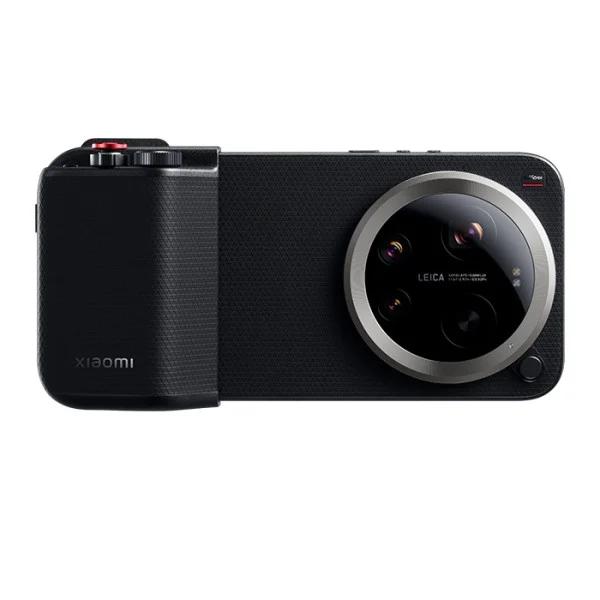
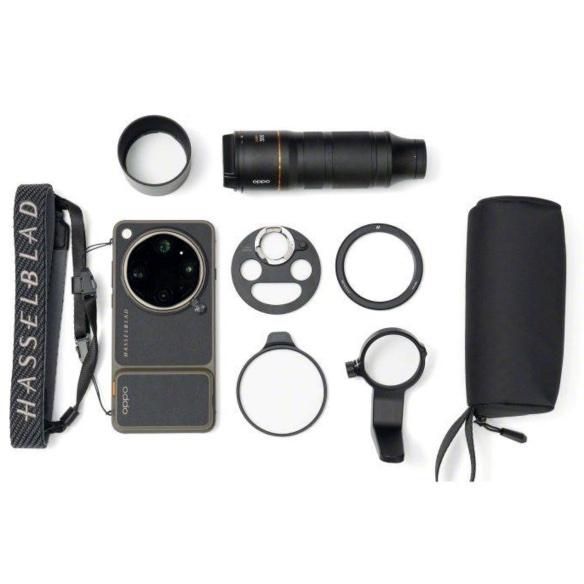
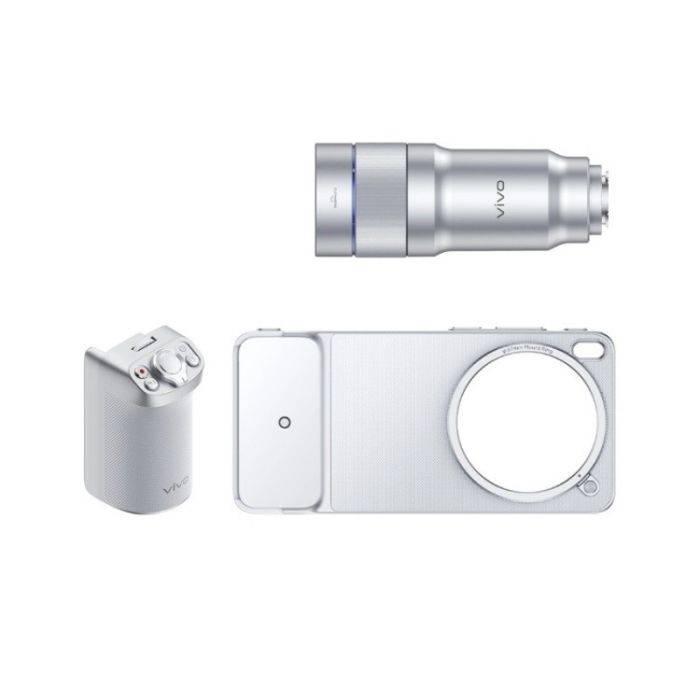
The auxiliary sensors are similar on all three: laser autofocus and a multispectral sensor for more accurate colors. They record video in 8K at 30 frames and in 4K at 120 frames, with Dolby Vision and a Log profile for color grading. OPPO tunes colors with Hasselblad and has a separate Quick Button to trigger the camera; vivo works with ZEISS and Xiaomi works with Leica, but neither of them has a trigger button on the body in the global version. You can also add a teleconverter to OPPO and vivo: OPPO offers a Hasselblad kit with an 300 mm lens, vivo a ZEISS kit with 200 mm or 400 mm focal length. Xiaomi instead offers a Photography Kit that turns your phone into a camera with a grip, a shutter button, and a control dial.
Ad
Body & Design
The dimensions are almost the same: all three phones are 163 mm tall and about 77 mm wide. vivo is a bit thinner—8.19 mm in black and 8.49 mm in green and white—while OPPO is 8.65 mm in orange and 9.10 mm in the version with a leather back. OPPO and vivo weigh about 235 grams, while Xiaomi 17 Ultra is the lightest at 218 to 223 grams, and with a thickness of 8.3 mm, it sits between them. The back is made of fiberglass, which feels like glass to the touch, but it collects fingerprints. OPPO also has IP66, IP68, and IP69 ratings; vivo and Xiaomi have IP68 and IP69 as well, so all three can handle rain, submersion, and streams of hot water.
OPPO Find X9 Ultra
vivo X300 Ultra
Display
OPPO and vivo have displays that are almost identical: 6,82 inches, resolution 3168 × 1440 pixels, and sharpness of 510 ppi. PWM dimming with a frequency of 2 160 Hz and support for Dolby Vision and HDR10+. OPPO lists typical brightness of 800 nits, 1 800 nits in HBM mode, and 3 600 nits at peak. vivo up to 4 500 nits at peak. GSMArena, with auto brightness, measured 1 935 nits on vivo and 1 156 nits on OPPO, which matches our impression that the vivo display is among the best you can find in a mobile today.
Xiaomi 17 Ultra has the largest display in the trio with a 6.9-inch diagonal, but with lower resolution—2608 × 1200 pixels—and 416 ppi sharpness. You won’t really notice the difference in sharpness, because the panel uses a full RGB subpixel structure instead of the usual PenTile, and the PWM dimming is also at 2 160 Hz. GSMArena measured 1,132 nits with automatic brightness, similarly to OPPO, and up to 3,674 nits in HDR with a small bright area.
OPPO Find X9 Ultra with the ColorOS suite
vivo X300 Ultra
Ad
Performance and software
All three phones use the same Snapdragon 8 Elite Gen 5 chip with LPDDR5X and UFS 4.1 memory, so in games and app launch speed they’re on the same level. Vivo and Xiaomi have a faster USB-C 3.2 Gen 2 port with video-out to a monitor, while OPPO is Gen 1. They mainly differ in software: OPPO uses ColorOS 16 and, via O+ Connect, it connects to a Mac, while OriginOS 6 on vivo is, based on our experience, fast and doesn’t unnecessarily close background apps. HyperOS 3 on Xiaomi has a Super Island feature similar to iPhone and it also connects to iPhone, iPad, and Windows computers. vivo promises five major updates and seven years of security patches, OPPO and Xiaomi offer five updates and six years of patches.
During long gaming sessions, the vivo X300 Ultra gets noticeably hot and it feels uncomfortable in the hand. If you play demanding games for longer periods, be prepared for that.
Battery and charging: the difference you can feel
OPPO Find X9 Ultra has a silicon-carbon battery with a capacity of 7 050 mAh, and in our test it lasted even three days; vivo X300 Ultra has 6 600 mAh and with normal use it easily lasts two days. Both charge with 100 W, and GSMArena topped them up fully in 45 and 46 minutes. For wireless charging, OPPO has 50 W and vivo has 40 W— you won’t find a charger in the box with the European versions for either of them.
The global Xiaomi 17 Ultra has the smallest battery—6 000 mAh since the Chinese version with the larger capacity didn’t make it to Europe. Still, in the GSMArena test it achieved 19 hours and 9 minutes of active use, and the reviewers called it one of the best in its class. Charging is 90 W, full in 43 minutes, wireless 50 W, and via cable it can also recharge other devices at up to 22.5 W.
OPPO Find X9 Ultra
vivo X300 Ultra
Global version—no customs duty and cheaper than in the store
You can buy all three phones from the GShopper seller in the official global version, which includes Slovak and Czech, eSIM, Google services, NFC payments, and automatic updates. Delivery takes about 10 to 15 days and you don’t pay customs duty (clo), VAT, or shipping because it’s already included in the price. In Europe, Xiaomi was listed at 1 499 €, OPPO at 1 699 €, and vivo at 1 999 €. Xiaomi 17 Ultra already comes with 16 GB RAM and 512 GB storage, and from GShopper it’s the cheapest out of the three—see the current prices and variants in the boxes below.
China Planet shopping TIP: GShopper has now launched direct bank transfer payments, so you can save another 4.5 % off the product price! Compared to card / Google Pay payment, you can get this product much cheaper. We described the full bank transfer payment process in our article.
Are you shopping on Gshopper for the first time?See the guide!
Updated 13. 10. 2026 at 16:26
TIPWith Standard Shipping via GShopper, you pay no extra fees—everything is already included in the price!
At the GShopper retailer, we recommend choosing Standard Shipping, where you won’t have to pay anything extra. Customs duties and any VAT will be handled directly by the seller. Shipping can be selected only at checkout, after entering the delivery address. Delivery with this shipping method usually takes around 15 business days from dispatch from the warehouse, but it may take longer.
Our extra service with VIP support — we’ll handle the order on Gshopper for you and ship it straight to your address.
If you’re not experienced with shopping on Gshopper, your payment won’t go through, or the coupon just isn’t working, we offer our readers and customers a service where we place the order directly to your address. You send us the money by bank transfer, and we’ll order the product straight to you. That way, you don’t have to worry about failed payments or coupon issues, and you can be sure the whole order will go 100 % smoothly. Plus, you automatically get our VIP support — we handle any shipment issues for you and help with claims too. The fee for this service is €15 on top of the product price. You can contact us by email at info(@)chinaplanet.sk or on Messenger, where we’re active all the time.
Are you shopping on Gshopper for the first time?See the guide!
Updated 6. 11. 2026 at 16:50
TIPWith Standard Shipping via GShopper, you pay no extra fees—everything is already included in the price!
At the GShopper retailer, we recommend choosing Standard Shipping, where you won’t have to pay anything extra. Customs duties and any VAT will be handled directly by the seller. Shipping can be selected only at checkout, after entering the delivery address. Delivery with this shipping method usually takes around 15 business days from dispatch from the warehouse, but it may take longer.
Are you shopping on Gshopper for the first time?See the guide!
Updated 16. 10. 2026 at 11:35
TIPShipping is completely free.
Free shipping is available for this product. However, this is the slowest delivery method, and the item may take 20 days to 1 month(s) to arrive.
When you order from a Chinese warehouse, AliExpress adds a customs duty charge of approximately 3,70 € per order to your cart. When you receive the shipment, you won’t have to pay anything extra.
Ad
Final verdict: which one to choose
Choose OPPO Find X9 Ultra if you want the most versatile camera phone with two periscope lenses up to 230 mm, the best battery life, and a lower price. It lasts three days, has a physical shutter button, and in the base version it costs almost a hundred euros less out of the box, even though it has 4 GB less RAM. Between OPPO and vivo, in our opinion it’s the smarter pick for most people.
Choose vivo X300 Ultra if you shoot macro and landscapes with an ultra-wide lens, where vivo has a larger sensor with stabilization, want a display that’s among the very best on the market, and don’t mind shorter battery life and heating while gaming. For people who mainly shoot portraits and cities with a 35 mm equivalent, it’s a great choice, but you only get the physical shutter with the Photography Kit.
Choose Xiaomi 17 Ultra if you want the biggest main sensor for low-light photos, the lightest body, and the lowest price of all three with 16 GB RAM and 512 GB storage. The smooth zoom from 75 to 100 mm is comfortable for portraits and details, but it doesn’t reach 230 mm like the OPPO, and macro and ultra-wide shots aren’t its strong points. Another advantage is official distribution in Slovakia if you’d like warranty in a physical store.
Buying now is also not something you should put off for long. OPPO, according to reports from China, has stopped development of the Find X10 Ultra because expensive chips and memory, together with the trend for wide-angled phones, are making Ultra models an increasingly worse deal. If other manufacturers add to it, it’s entirely possible that this year’s Ultras will be the last camera phones of their kind for a long time—and right now you can buy them in the global version at a price that may never be repeated.
Which camera phone would you choose?
We’re curious which one from the trio appeals to you more. Vote in the poll and you’ll see the results right away.
Reader poll
Which camera phone would you choose?
OPPO Find X9 Ultra (battery life and periscope 10×)32 %
vivo X300 Ultra (macro and ultra-wide shot)20 %
Xiaomi 17 Ultra (1-inch sensor and lower price)36 %
None of them—any cheaper phone is enough for me to take photos.12 %
None of them—I’ll wait for newer models.0 %
25 votes · You haven’t voted yet
Follow the China Planet website, subscribe to our monthly newsletter, and be sure to check out our Facebook page, the China Planet group, and join our Telegram, where we add the best offers and coupons from China every single day.