


The electric, battery-powered Xiaomi Mi Portable Air Pump became an instant hit right after going on sale. It’s especially popular with e-scooter riders and cyclists, mainly thanks to its compact size. We in the editorial team tested it and compared the first model with the newly introduced, upgraded 1S version.
In this article, you’ll learn what the differences are between the old and new model, how the optimization shows up, and whether it’s worth buying the new version of this air compressor.
Technical specifications
Dimensions Weight Battery Pressure range Noise level Charging port Airflow Hose lengthXiaomi Mi Portable Air Pump Xiaomi Mi Portable Air Pump 1S 124 x 71 x 45.3 mm 124 x 71 x 45.3 mm 430 g 480 g 2000 mAh 2000 mAh 0.2 – 10.3 bar / 3 – 150 psi 0.2 – 10.3 bar / 3 – 150 psi <80 dB <80 dB micro USB USB-C 7 L/min 15 L/min 180 mm 180 mm
As you can see from the specifications in the table, there aren’t many changes. The biggest difference is optimization of functionality and performance while keeping almost the same hardware.
Where to buy?
Right at the start, we can compare the prices of the compressors themselves—they’re very similar. While the first generation compressor was priced around 33 € at the time of this test, the upgraded 1S model could be bought for just under 40 €.
You can always find the latest prices for both compressors on our sister website XiaomiPlanet.sk. In the articles, we regularly update prices and coupons.
Coupons for Xiaomi Mi Portable Air Pump
Coupons for Xiaomi Mi Portable Air Pump 1S
Package contents
In the package of both products, you’ll find—besides the compressors themselves—an adapter for the “Presta” or Presta/Schrader (bicycle) valve, a needle for inflating balls, and a practical textile pouch to protect the compressor during transport. The only difference is the presence of a short charging cable in the first-generation package, which is missing from the new compressor’s box.

Design, build quality, and layout of components
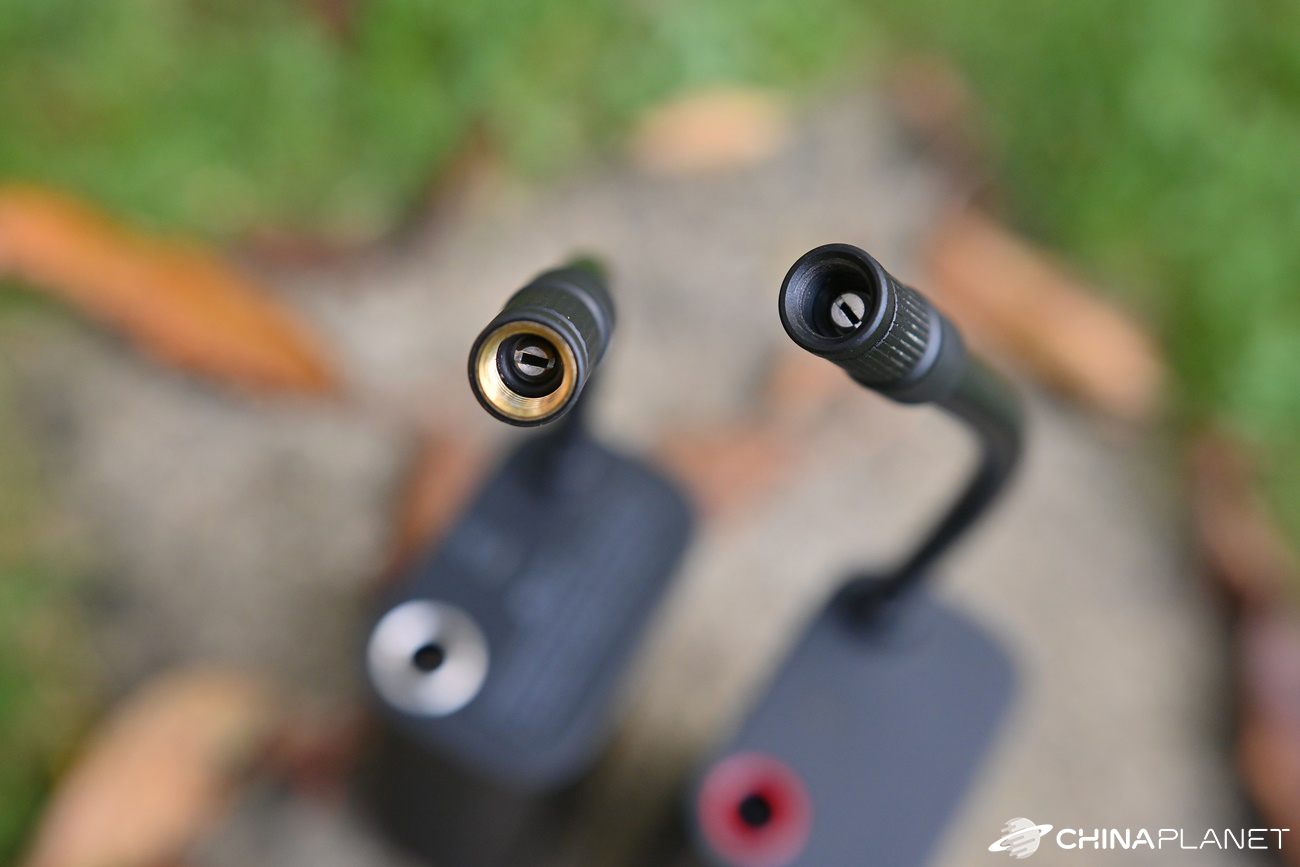
From a design point of view, we’ve seen only minor changes, but they’re more cosmetic. At first glance, the compressors look identical. A closer look reveals a different color of the casing on the port where you insert the hose. The first-generation Xiaomi Mi Portable Air Pump has a red port frame, while the new generation features a silver port frame.

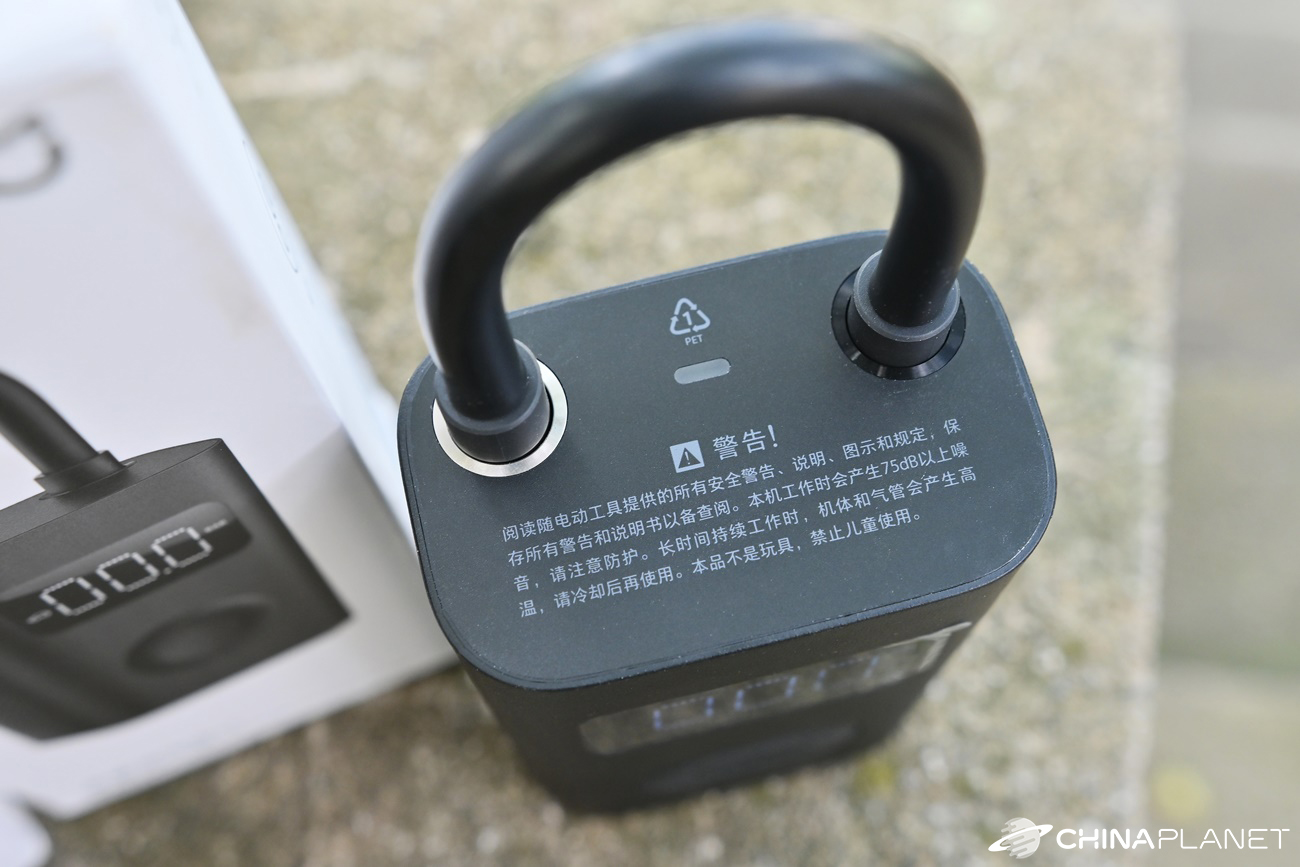
The display has changed noticeably. Its size is the same, but the data display now uses a new style. However, it’s still just a design change—not a change in functionality or the placement of individual data on the display. The difference is only in the style of the main digits, where the new version uses dotted lines.

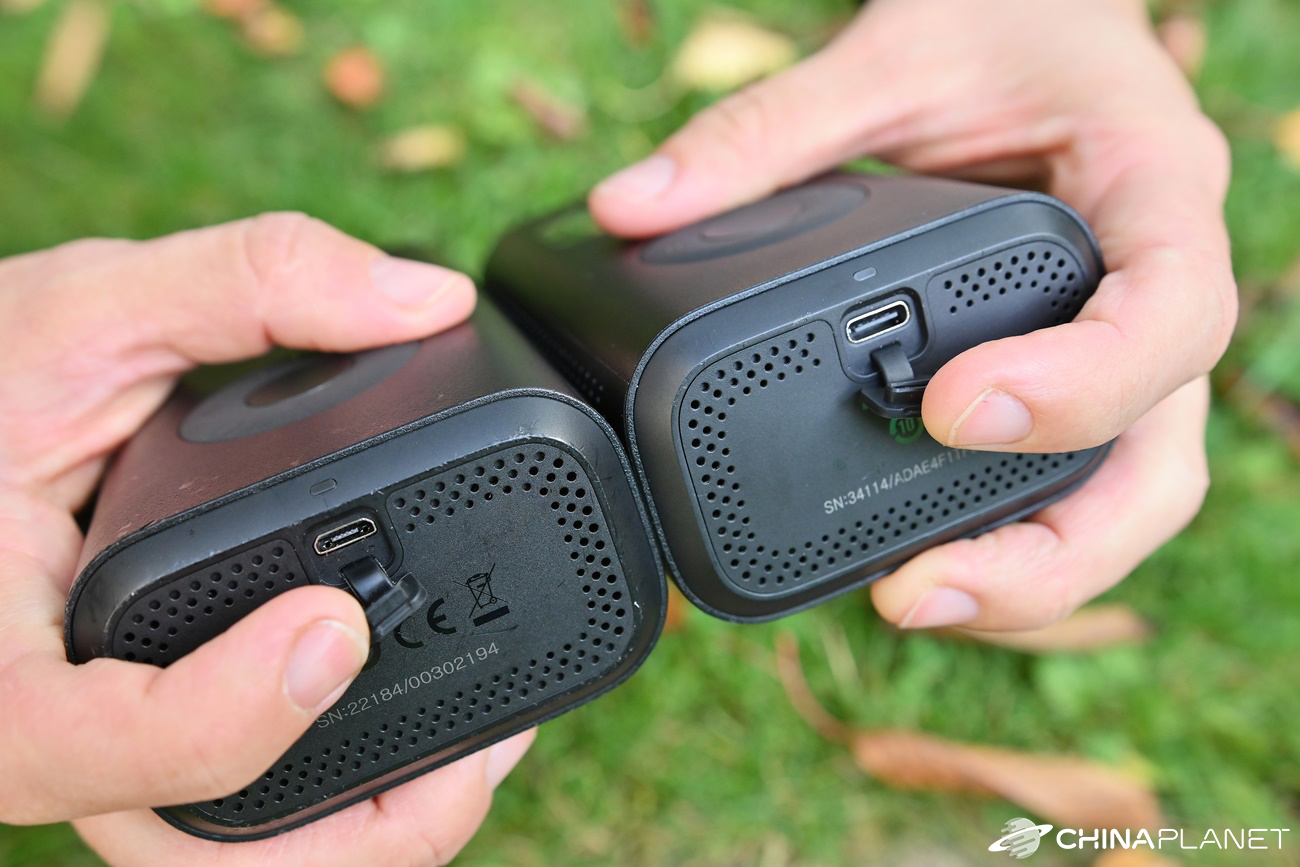
The build quality and the layout of the elements are identical. Under the display, there are 5 buttons arranged in a circular control dial, and at the bottom there’s a charging port protected by a rubber cover. Here, we got an upgrade in the form of a USB-C charging port.
Functionality optimization
As we already mentioned in the introduction, the Xiaomi Mi Portable Air Pump and the Xiaomi Mi Portable Air Pump 1S offer the same technical specifications with just one difference: a higher air flow rate. While the first generation can produce 7 L/min, the new version delivers more than double – 15 L/min, which is an improvement of up to 114%.

Xiaomi achieved the higher air flow rate through hardware optimization. That means the new generation should inflate tires much faster.
What’s the real difference in inflation speed?
The technical specs promise twice as fast inflation with the new version, and we of course verified this. In the table below, you can see the real difference in the time it takes to inflate the wheels of an e-scooter, a car, or a bicycle. All the values we provide were measured during our test.
Car tire (225/45/R17 from 1.8 bar to 2.4 bar) Bicycle wheel (26" to 3.1 bar) Eleglide D1 e-scooter wheel (10" 80/65 to 3.2 bar ) Xiaomi Pro e-scooter wheel (10" – to 3.1 bar )Xiaomi Mi Portable Air Pump Xiaomi Mi Portable Air Pump 1S 4 minutes 48 seconds 3 minutes 2 minutes 23 seconds 1 minute 43 seconds 1 minute 13 seconds 39 seconds 47 seconds 27 seconds
Runtime and charging
With one charge, using the Xiaomi Mi Portable Air Pump (first generation) according to the manufacturer’s data, you can inflate approximately 41 footballs or 8 bicycle inner tubes, or 6 motorcycle wheels / 5 car tires (from 2,0 bar to 2,5 bar).
For the new generation, Xiaomi Mi Portable Air Pump 1S the manufacturer claims an improvement of up to 45.4%. As an example, they say this compressor should inflate up to 8 car wheels, compared to 5 for the first version. Of course, that’s only within 2.0 bar to 2.5 bar.
However, it also adds a table with other vehicles and balls, where the differences aren’t that noticeable. The stated 45.4% somehow doesn’t add up. Xiaomi Mi Portable Air Pump 1S inflates 44 footballs, the same 8 road bike wheels, and 7 motorcycle wheels.
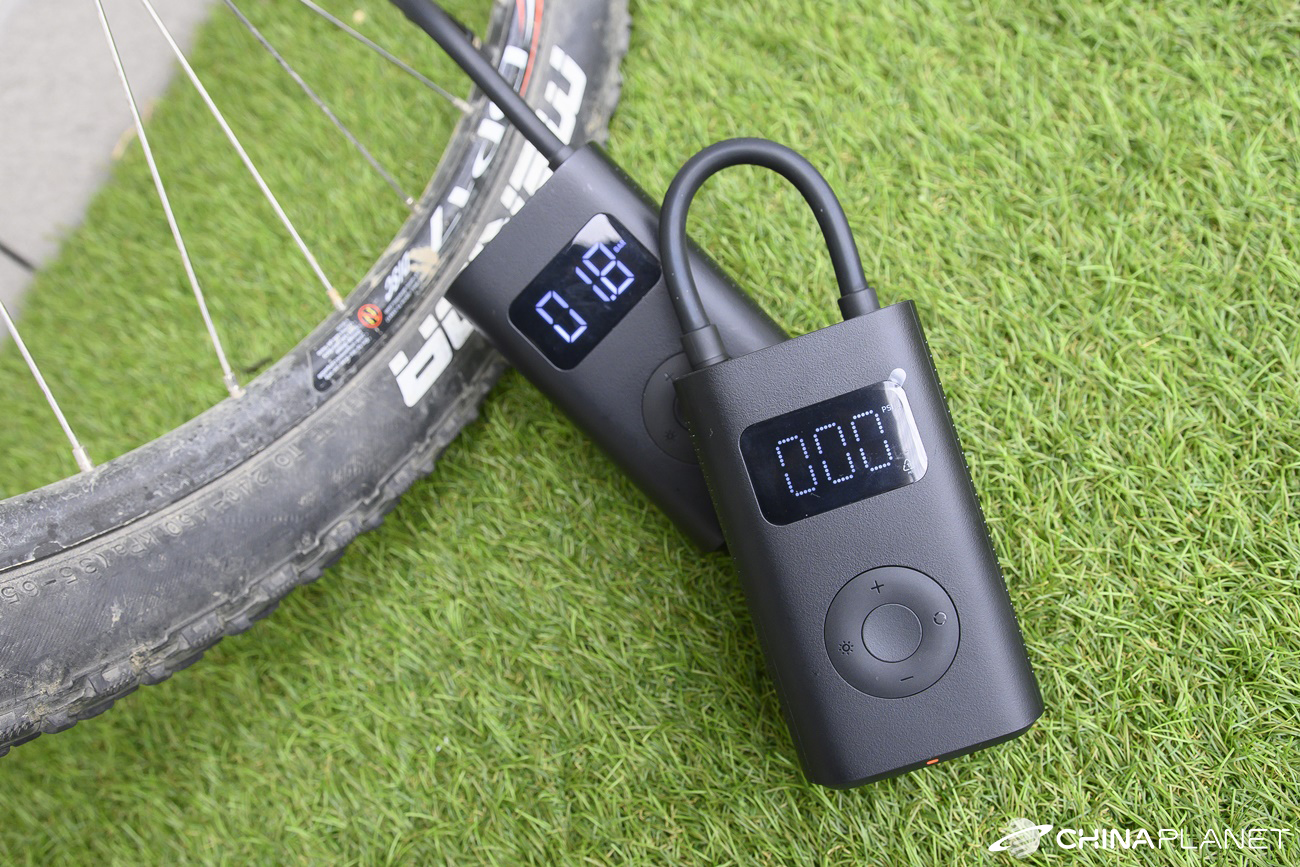
We compared the endurance by inflating 26″ mountain bike wheels. The first compressor generation managed to inflate a wheel 8 times; during the ninth attempt, the compressor shut off. With the new 1S version, we inflated a wheel 10 times, and the compressor only turned off during the eleventh inflation.
The new version also got a USB-C charging port, while the older version has micro USB. Both versions still have a 2000 mAh battery, and charging takes about the same time as well – 2 hours and 40 minutes.
The sound profile has also changed
According to the specifications of both compressors, their noise level is at the same level. If we compare them directly, the newer version feels louder and has a completely different sound profile while operating. Despite the small size, the compressors are actually fairly audible.

For comparison, we measured the noise level using a digital sound meter from a distance of about 1 m from the compressor. The older version reached 79 dB, while the new version was 80 dB. So the noise level is basically the same.
Final verdict
In our test, we directly compared 2 generations of Xiaomi compressors. The new version comes with an almost identical design, but brings optimized performance, which is reflected in faster tire inflation.

USB-C cable charging is also a plus, along with keeping a similar price. If you own the first-generation compressor and use it only for occasional tire top-ups, upgrading to the new version probably won’t be worth it. But if you inflate tires regularly, or you don’t own a compressor like this yet and you’re considering buying one, you should definitely go for the new Xiaomi Mi Portable Air Pump 1S.
Don’t miss the best coupons 📩
Subscribe and we’ll email you new coupons before they expire. We only send it once a month — no spam.


